Hey Quant X Tribe,
No crash. No liquidation cascade. No macro event.
Roughly 1,816 BTC, about $114 million, has gone from more than 5,200 addresses since 30 July.
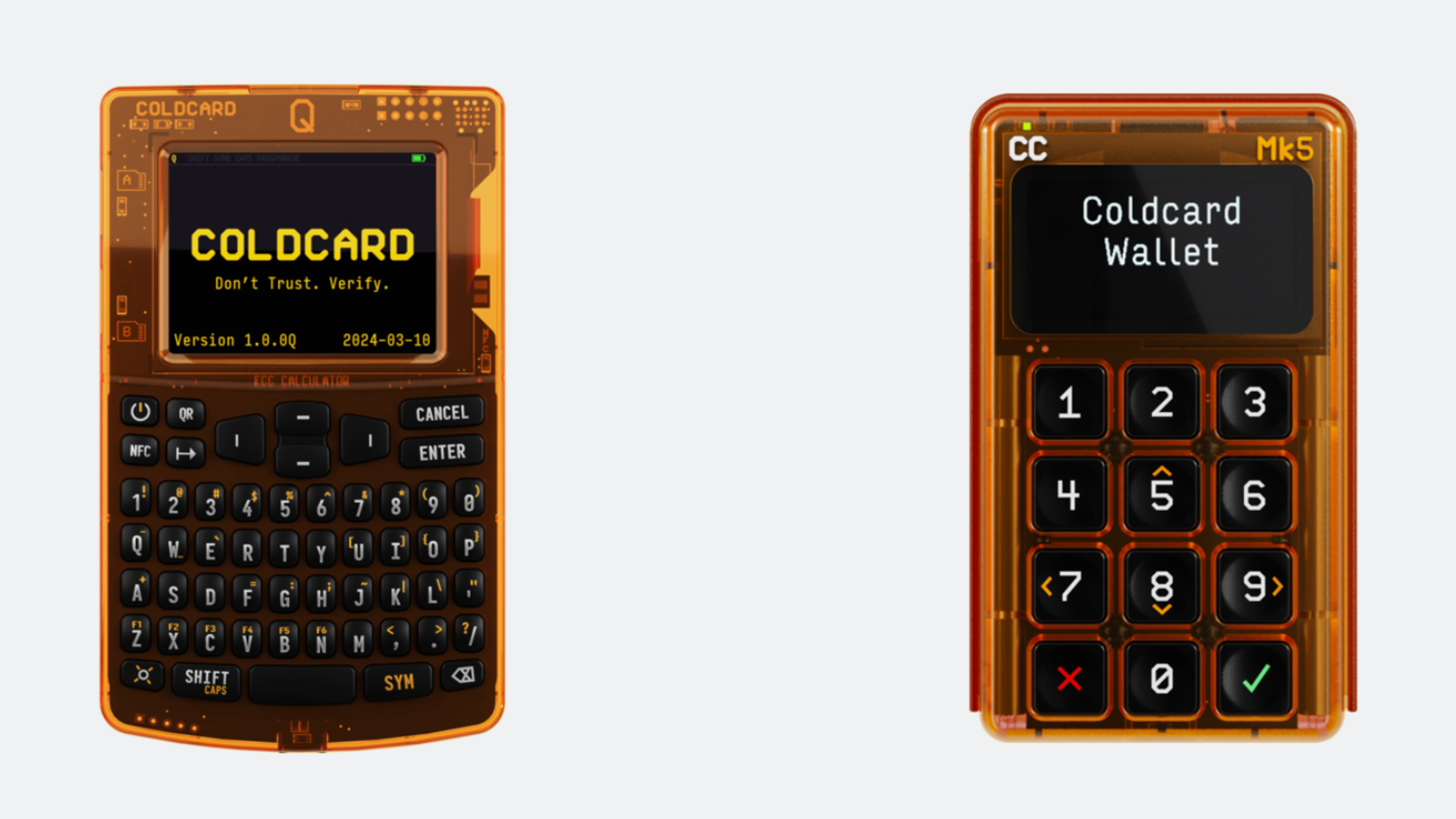
The cause was a flaw in Coldcard hardware wallet firmware that had been sitting there since 2021, allowing attackers to reconstruct wallet seeds.
Nobody was watching it because nobody thought to look.
If you hold your own keys, read this part first
A fix exists, but it only protects new seeds. Wallets generated on the old firmware stay exposed until moved. Sweeps have continued in waves regardless, and Coldcard is still urging affected users to move funds.
If you run one, check your firmware version today.
The exposure is specific to certain devices and single-key setups with no second approval.
Blockaid data cited in the same reporting found most crypto losses in the first half of 2026 came from compromised keys and operational failures, not smart contract exploits.
The risk is boring and procedural.
Which is exactly why it gets ignored.
The same mistake, somewhere less obvious
Here is what connects that story to your screen.
Nobody inspected what they were relying on. They trusted the output and never asked what was underneath it.
That failure showed up in market data this week too.
Two readings, one week
Most traders treat prop firm challenges as a way to access funded capital. Pass the The crypto Fear and Greed Index hit 25. Extreme fear.
That number was everywhere.
Bitcoin's 30-day implied volatility index sits near 36%, its lowest since 31 May, and trading cheap against its own 30 and 200-day averages.
That number was almost nowhere.
One gauge says the market is terrified. The other says it is calm.
Same asset. Same day.
Why most traders read this wrong
The instinct is to pick a side. Decide which gauge is right. Trade accordingly.
That skips the only question that matters.
What is each number actually built from?
The Fear and Greed Index is built largely, though not entirely, from price momentum and volatility. Roughly half of it is price, repackaged.
Implied volatility comes from options pricing. A separate market. Different participants. Different incentives.
When two numbers built mostly from the same input disagree, that is largely a construction artefact. When two numbers built from genuinely different inputs disagree, that is information.
Reading a price-derived index next to a price chart feels like confirmation. It is largely the same data wearing a different outfit.
This week, one of these gauges is genuinely independent of the other. That is what makes the disagreement worth examining.
The filter you can apply today
Before you use any indicator as confirmation of another, ask one question.
What is it built from?
If the answer is mostly the same input you were already looking at, you have not confirmed much. You have counted it twice.
Two independent sources disagreeing is worth investigating.
One source restated twice is not.
Take the filter with you
We turned the five questions above into a full reference guide: The Crypto Signal Audit. It runs the same filter across eight indicators you probably already have on a dashboard somewhere: RSI, Fear & Greed, funding rate, open interest, exchange netflow, MVRV Z-Score, NUPL, and implied volatility. It maps which ones are genuinely independent of each other and which are quietly built from the same data. MVRV Z-Score and NUPL alone are worth the download: they're not just correlated, they're the same relationship wearing two labels.
What turns an observation into a signal
Everything above is an observation.
Not a signal.
What separates the two is data, not conviction. Define the rule. Pull the history. Test whether it holds out of sample, and whether it survives fees and slippage.
Without that, it is a well-organised opinion.
We work through contents like these in the open, mid-week, with the Tribe. Crypto is on the agenda for 11 August at 7:30pm.
See you on the 11th!
To your growth,
Quant X Team
Where Data Becomes Alpha
Editor: Eri Eliana
Disclaimer: The views shared here are for educational purposes only and reflect our team's opinions. They should not be taken as financial, investment, or legal advice. Please do your own due diligence before making any financial decisions.
Sources: